
Orthopedics Treatment in Vellore
No.1 Orthopedics
care
in Vellore.
Compassionate support, careful evaluation and personalised medical care for patients and families navigating their cancer care journey.
Together,
every step matters.
About Orthopedics
Move Better. Live Better.
Orthopaedic Care Focused on Movement, Strength & Recovery
Pain, stiffness or an injury can affect much more than movement — it can interfere with work, daily activities and quality of life.
At Saint Mary’s Hospital, orthopaedic care focuses on understanding the cause of your symptoms and providing appropriate medical guidance for conditions affecting the bones, joints, muscles and related structures.
Better movement begins with the right care.
Our Treatment Procedure
Care That Keeps You Moving.
At Saint Mary’s Hospital, orthopaedic care begins with understanding your symptoms, medical history and everyday challenges.
Your doctor may assess the affected area, review previous investigations and recommend further evaluation when required.
Our Approach
01 — Listen
Understanding where your pain started, how it affects you and what movements are difficult.
02 — Assess
Examining the affected joint, bone, muscle or surrounding structures.
03 — Identify
Working towards understanding the possible cause of your symptoms.
04 — Plan
Developing an appropriate treatment or management plan based on your individual needs.
05 — Follow Up
Monitoring your progress and adjusting care when required.
When Pain Starts Affecting Your Movement
Orthopaedic evaluation may be appropriate for a wide range of musculoskeletal problems.
Joint Pain & Stiffness
Persistent pain or stiffness involving the knees, hips, shoulders, elbows or other joints.
Arthritis
Conditions that can cause joint pain, swelling and stiffness and affect movement.
Sports & Activity-Related Injuries
Injuries such as sprains, strains and other problems that may occur during sports, exercise or physical activity.
Knee Problems
Pain, swelling, stiffness or difficulty bearing weight involving the knee.
Shoulder Problems
Pain or restricted movement affecting the shoulder and upper arm.
Back & Neck Problems
Musculoskeletal problems affecting the back or neck that interfere with movement or daily activities.
Bone & Joint Injuries
Injuries that require professional assessment and, where necessary, imaging or specialist treatment.
Mobility Problems
Conditions that make walking, standing, climbing stairs or performing everyday activities difficult.
Expert Orthopedics Care at Saint Mary
Your Body Has a Way of Telling You Something Is Wrong.
PAIN
Persistent or recurring pain in a joint, bone or muscle.
STIFFNESS
Difficulty moving a joint normally, particularly after periods of inactivity.
SWELLING
Visible or persistent swelling around a joint or injured area.
LIMITED MOVEMENT
Difficulty bending, straightening or moving a particular body part.
INJURY
Pain, swelling or reduced function following a fall, sports injury or physical strain.
REDUCED MOBILITY
Difficulty walking, standing or performing normal activities.
Persistent or worsening symptoms should be evaluated rather than self-diagnosed.
About Orthopedics
Finding the Reason Behind the Pain
Orthopaedic diagnosis starts with understanding the patient’s symptoms and examining the affected area.
Depending on the situation, your doctor may recommend additional investigations.
Clinical Assessment
Understanding your symptoms, medical history, previous injuries and physical limitations.
Physical Examination
Checking movement, strength, swelling, tenderness and function of the affected area.
Imaging When Required
Depending on the suspected condition, investigations such as X-rays or other scans may be considered.
Treatment Planning
The findings from the assessment help determine the appropriate next step.
Symptoms → Examination → Investigation → Diagnosis → Treatment Plan
Don’t Let Pain Become Your New Normal.
You may benefit from an orthopaedic evaluation if:
- Pain keeps returning
- Joint swelling persists
- Movement becomes increasingly difficult
- Pain interferes with sleep or daily activities
- You have persistent stiffness
- An injury is not improving
- You are having difficulty walking or bearing weight
- A previous injury continues to cause problems
Persistent joint pain, worsening symptoms or pain that interferes with normal activities should be medically evaluated
Treatment That Matches the Problem
Not every orthopaedic condition requires surgery.
Depending on the underlying problem, treatment may involve different approaches.
Medical Management
Appropriate medicines may be recommended to help manage pain or other symptoms when clinically suitable.
Activity & Lifestyle Guidance
Changes in activity, exercise and daily habits may form part of managing certain musculoskeletal conditions.
Physiotherapy & Rehabilitation
Exercise-based rehabilitation and physiotherapy can support movement, strength and recovery for selected conditions.
Injections
In selected musculoskeletal conditions, injections may be considered as part of treatment. The appropriate type depends on the diagnosis.
Surgical Treatment
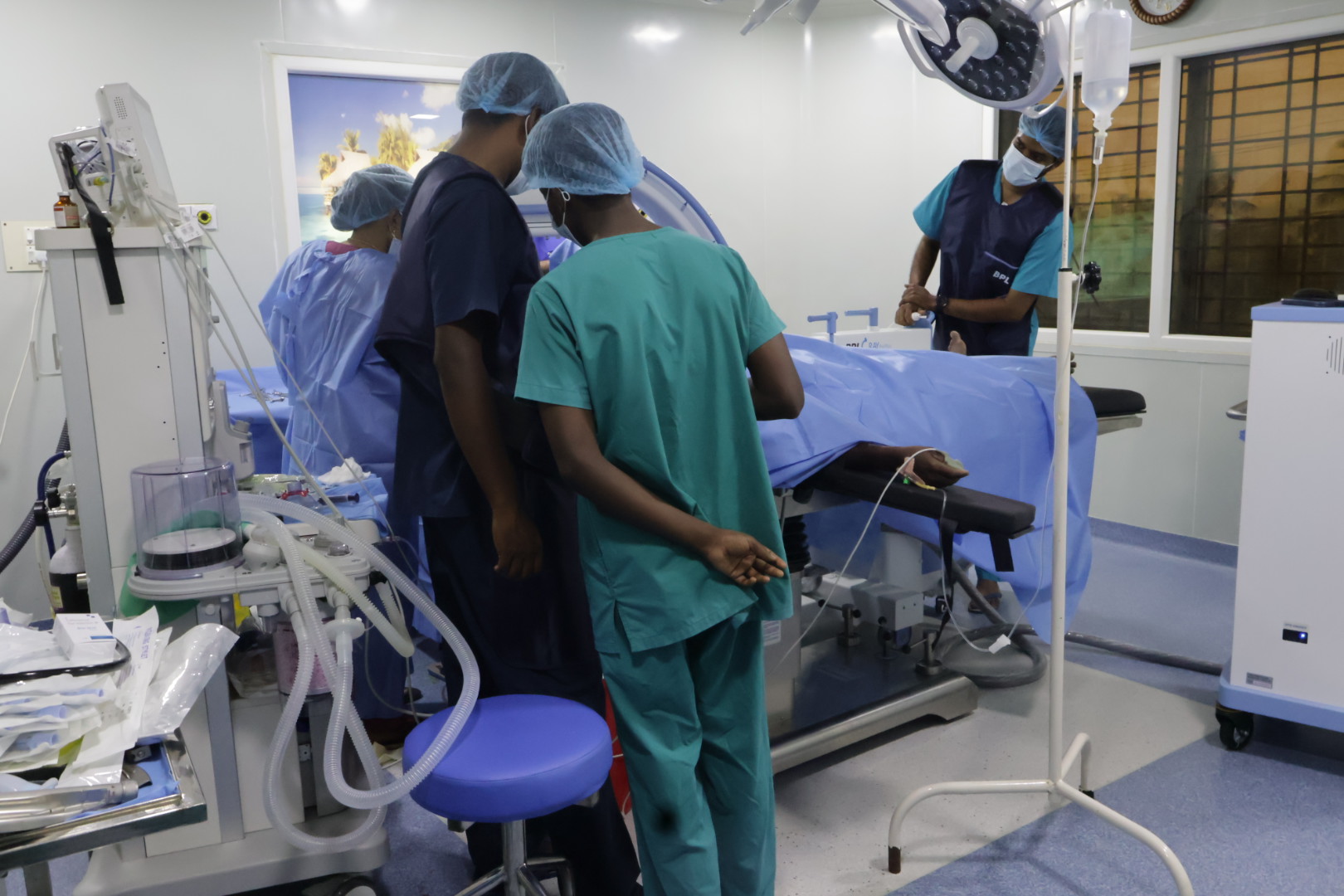
Surgery may be considered for certain conditions when conservative treatment has not provided sufficient improvement or when the nature of the problem requires surgical management.
The appropriate treatment is determined after clinical evaluation.
When Surgery May Be Considered
Some orthopaedic conditions can be managed without surgery, while others may eventually require a surgical approach.
Surgery may be considered depending on factors such as:
- The underlying diagnosis
- Severity of the condition
- Extent of structural damage
- Effect on everyday activities
- Response to non-surgical treatment
- Overall health and individual circumstances
For example, in some cases of severe osteoarthritis where other treatments have not helped sufficiently, procedures to repair, strengthen or replace a damaged joint may be considered. There is no single surgical treatment that is appropriate for every patient with joint pain.
Your health. Our priority.
From everyday healthcare to specialised medical and surgical care, our team is here to help you find the right care for your needs.
How can we help?
Our team will get in touch regarding your enquiry.